Every minute classified
Ordinary, double, triple, excess and night time, per day and per week. If a rule changes, it is recalculated; the original mark is never touched.

LFT art. 132-XXXIV · 2026 reform
Mexico's Federal Labor Law reform requires employers to record the start and end of each person's working day electronically. Staffly covers it end to end: clocking on web, app and kiosk, evidence nobody can rewrite, and the law's rules applied year by year down to 40 hours.
The reform published in Mexico's Official Gazette (DOF) on May 1, 2026 changes two things at once: how working time is proven and how long it may last.
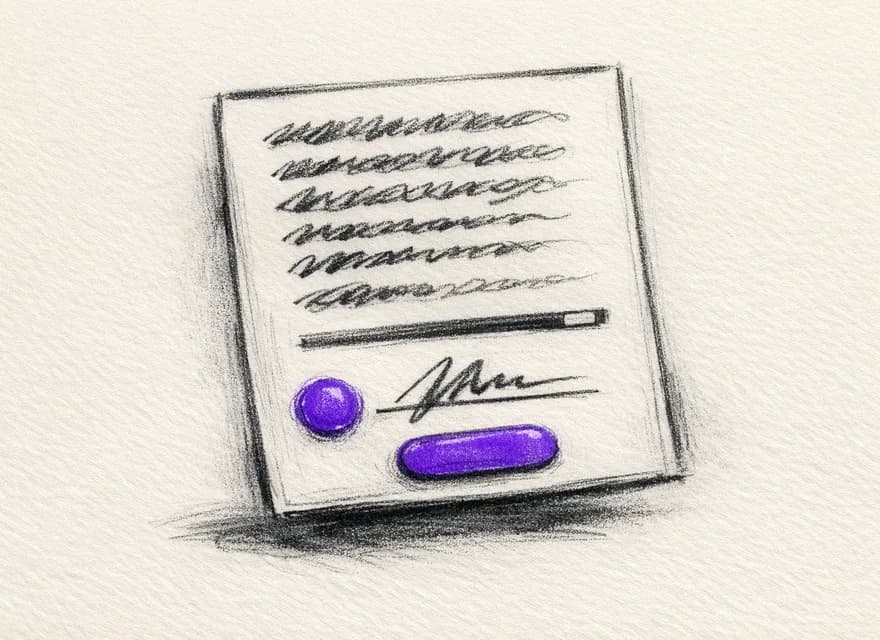
In a labor dispute, the employer must prove working hours (art. 784, section VIII). A record that can be edited without a trace proves nothing; a tamper-proof one, agreed with the worker and verifiable, does.
Start and end of each worker's day, in an electronic medium, kept and available to the authority (art. 132, section XXXIV).
The ordinary weekly cap drops two hours every January 1 from 2027 to 2030, and the limits for double and triple overtime change with it.
Up to 4 hours a day on 4 days a week paid as double; anything beyond is triple and may not exceed 4 hours a week. Never more than 12 hours in a day.
The STPS will publish the official delivery format and fields. Staffly already delivers a recommended, versioned format that adapts as soon as they are out.
The law, versioned by year
Each period of the reform lives in Staffly as a rule version with its legal basis. Every day worked is classified with the rule in force that day, and the version used is recorded.
48h
2026
9 h double OT
in force today46h
2027
9 h double OT
44h
2028
10 h double OT
42h
2029
11 h double OT
40h
2030
12 h double OT
Ordinary, double, triple, excess and night time, per day and per week. If a rule changes, it is recalculated; the original mark is never touched.
Day, night or mixed shifts, agreed weekly distribution (art. 58), assigned rest day, seventh day, and Sundays and holidays worked.
Overtime is requested and approved beforehand in a traceable workflow. Overtime worked without approval is still recorded and flagged.
A heads-up before exceeding the weekly cap, the 12-hour day, a fifth day with overtime or a skipped rest day, plus special alerts for minors.
Outside working hours nobody gets work notifications. When Staffly cannot decide, it waits until the next morning instead of interrupting.
Constant across all periods: daily ordinary time of 8 hours by day, 7 at night and 7.5 mixed; night period from 20:00 to 06:00; and at most 12 hours a day between ordinary time and overtime.
Clock in
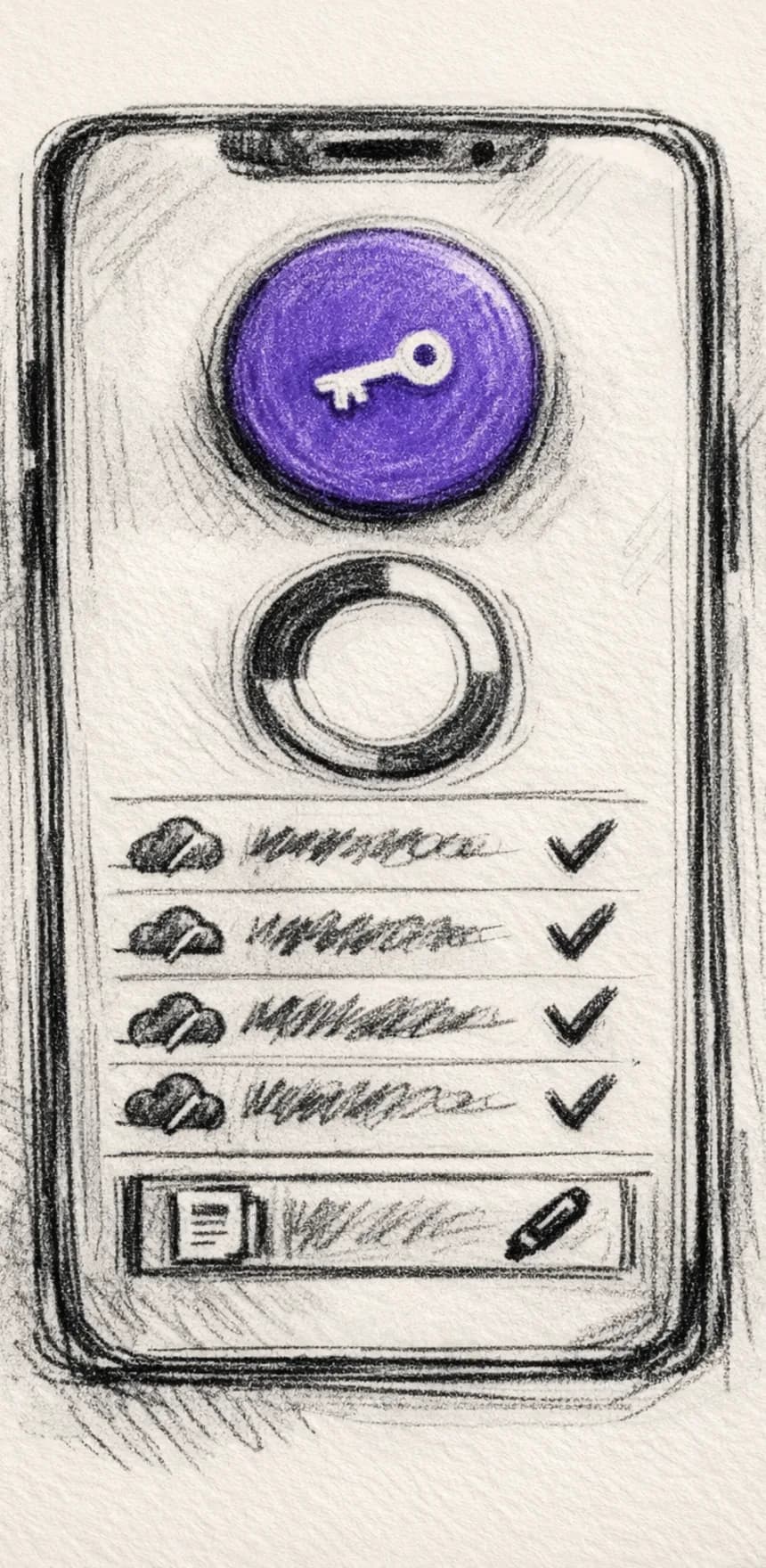
Office, plant, branch, home or on the road: each person clocks in and out from the right channel, and every mark lands in the same register.
Evidence
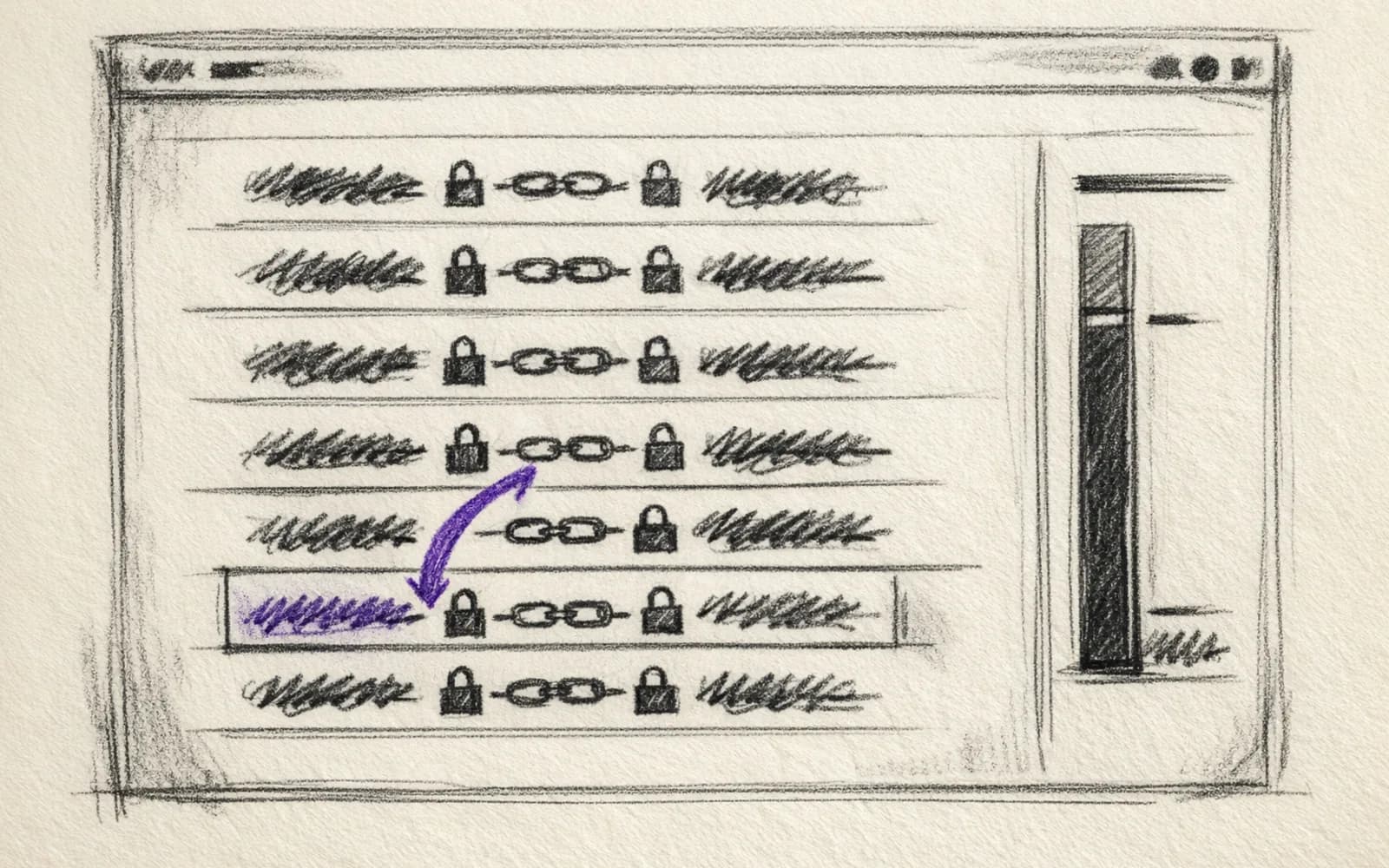
Not HR, not an administrator, not us. Every mark is chained to the previous one and the database refuses any attempt to edit or delete it.
Inspection
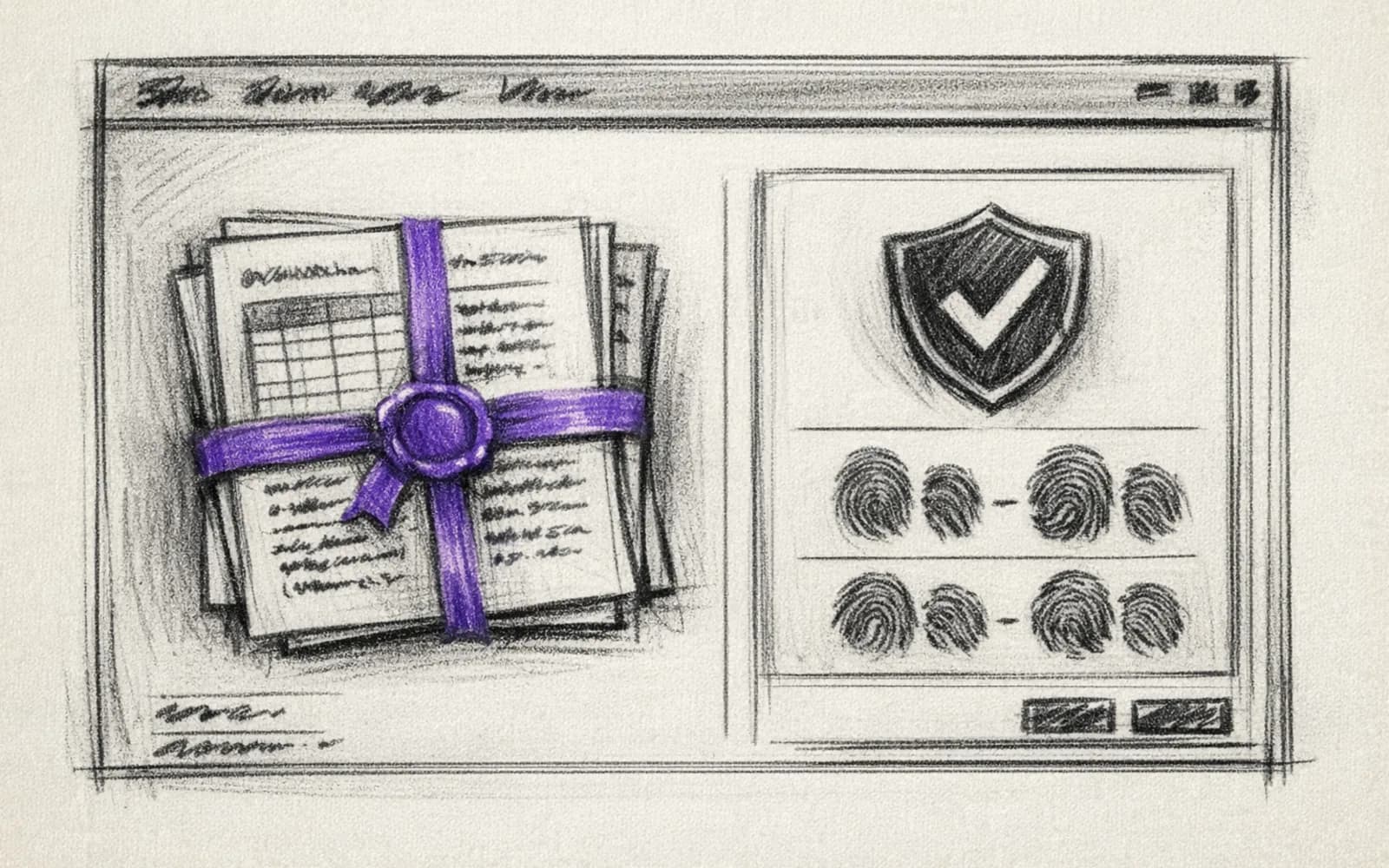
When a request arrives, there is nothing to rebuild: the record is already organized, verified and ready to hand over.
No. Staffly records and classifies time (ordinary, double, triple) and hands those facts to the payroll you already use. Your payroll calculates the pay.
They can still clock in: the record is an obligation and the agreement only strengthens its value as evidence. Staffly shows coverage and keeps acceptances and declines apart.
No. If you turn on the geofence, Staffly only stores whether the mark was inside or outside the work site. Coordinates are never stored.
The delivery format is versioned. When the official fields and format are published in the DOF, Staffly adds the new version without touching evidence already recorded.
Yes. The app stores the signed mark on the phone and syncs it when the connection is back, with the real event time and signs of clock tampering.
For the length of the employment plus one year, as art. 804 of the LFT requires. If there is an authority request, the period is preserved until it is resolved.
The reform is already in force and the cap drops to 46 hours on January 1, 2027. We will show you Staffly with your real shifts.
The information on this page is for guidance only and is not legal advice. The agreement and privacy notice templates included in Staffly are subject to each organization's legal review.